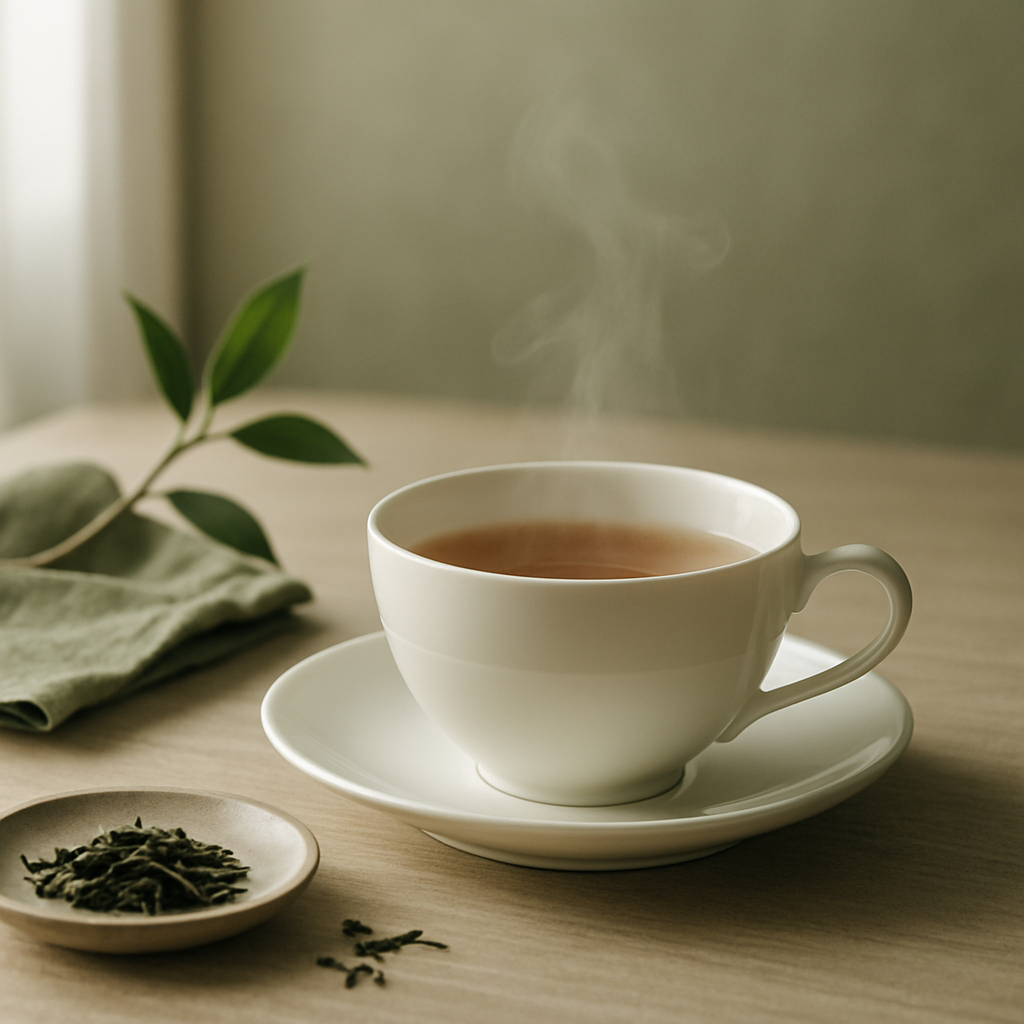
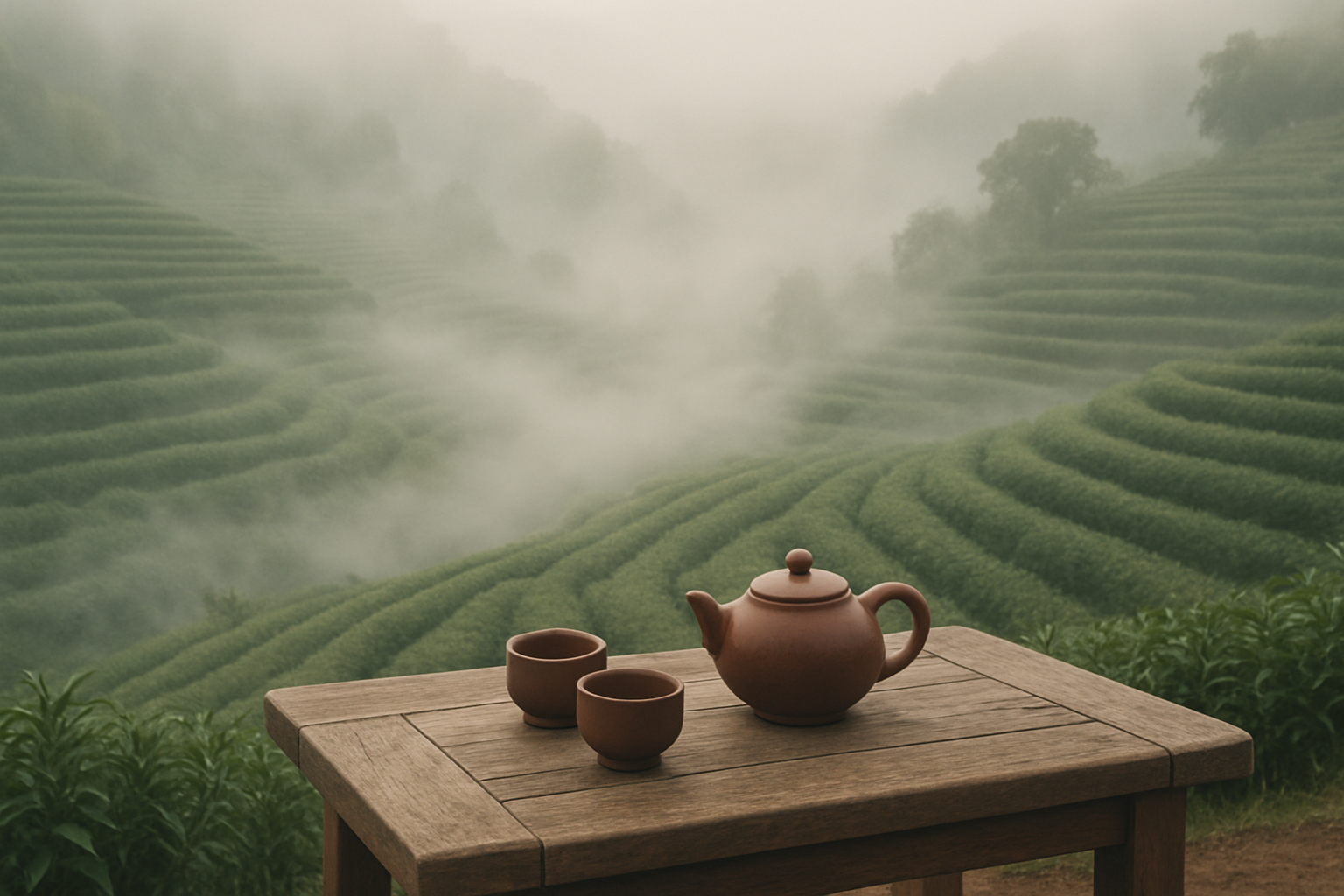
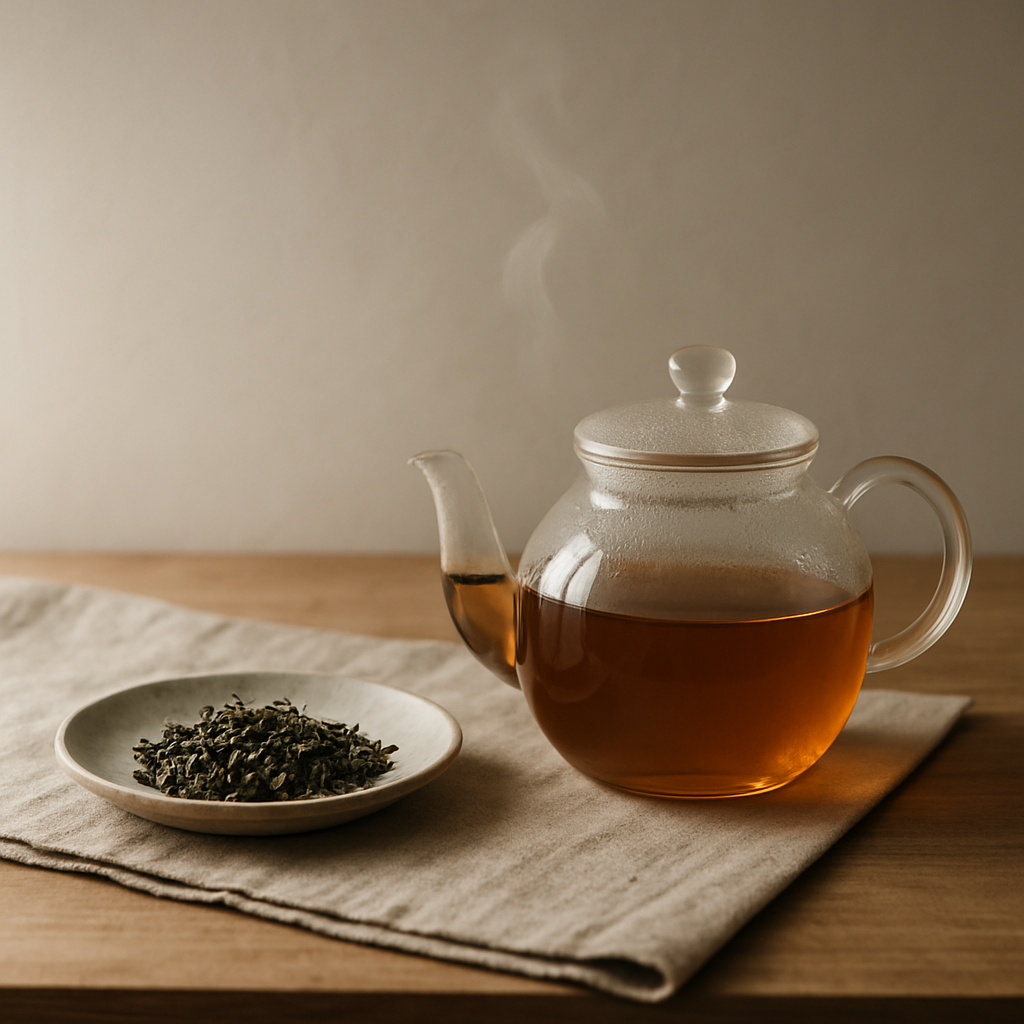
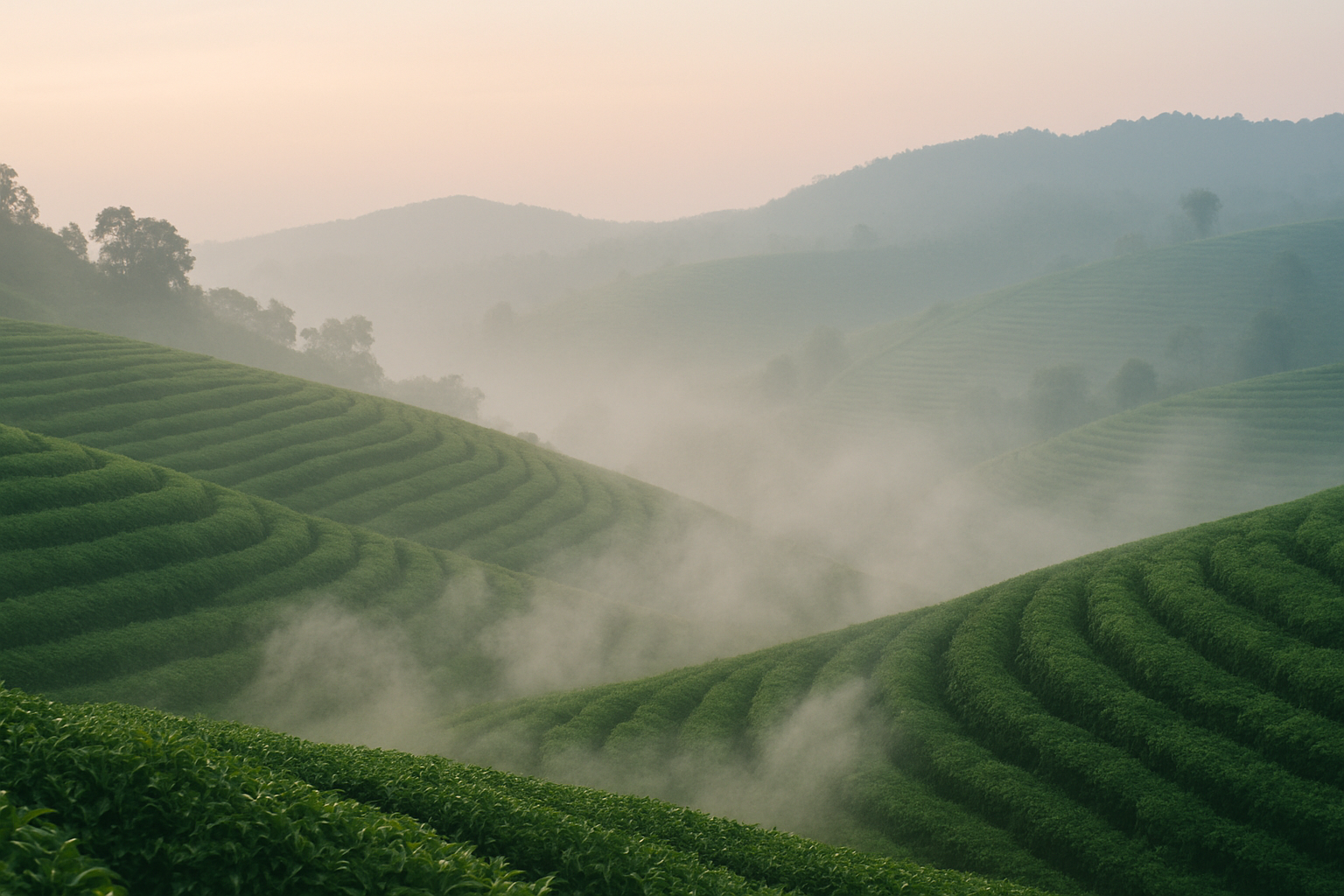
On May 21, we gather attention around tea — a quiet point of entry into a larger world. Begin here with a clear overview, then move through the stories, facts, and resources that follow.
May 21 · A global moment for tea.
International Tea Day
The Heritage in Every Cup
International Tea Day is a United Nations–recognized observance, led by the Food and Agriculture Organization (FAO), created to spotlight tea’s role in agriculture, trade, and everyday life. It exists to acknowledge the people and places that sustain the crop, and to encourage more equitable, transparent practices across the global supply chain.
The tea economy supports around 13 million people worldwide, with smallholder farmers producing more than 60% of global tea. Many growers are women, and many live in regions where agriculture is closely tied to economic resilience. The choices made by buyers, brands, and drinkers can directly affect livelihoods and local stability.
Celebrating the day is a chance to recognize tea as both a cultivated craft and a contemporary staple — a tradition that continues to adapt to modern priorities around fairness, quality, and responsible growth.
International Tea Day invites a clearer view of how a daily cup connects farms, markets, and shared standards of care.
HONOR THE RITUAL
Three Lovely Ways to Celebrate International Tea Day
Pick one small practice and make it yours — a tasting, a purchase, or a pour. These three ideas are simple, doable, and designed to deepen the everyday pleasure of tea.
A quiet pause in the making
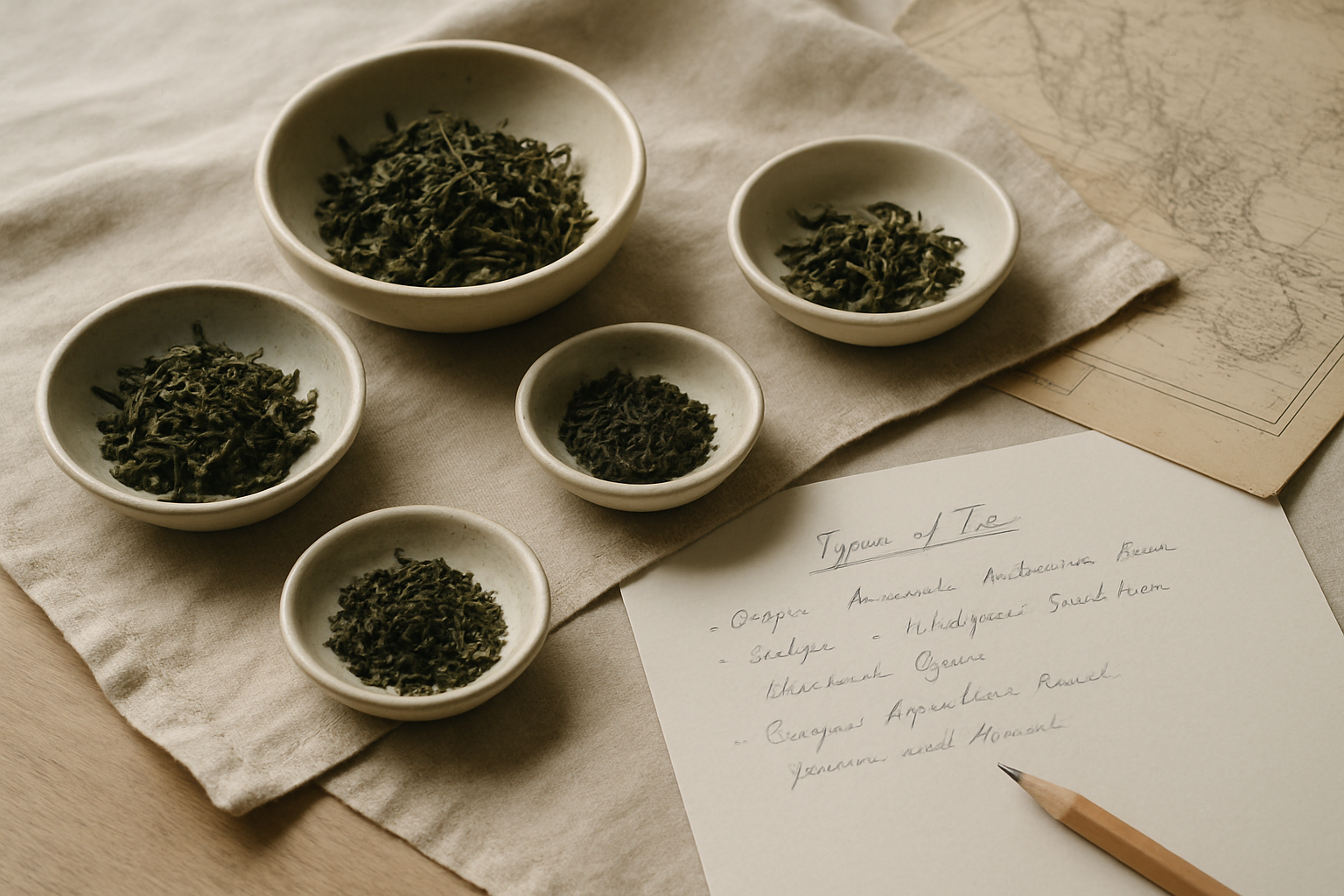
Curate a Sensory Tasting
Choose three contrasting teas and set up a simple tasting flight. Note the hue in the cup, the aroma in the steam, the texture on the tongue. Try a bright sencha, a malty Assam, and a floral oolong — let each one reveal its own character in a few focused sips.
Support Thoughtful Sourcing
Use Tea Day as a cue to learn who grew your leaves. Look for transparent origins, fair-trade practices, or small gardens you can trace by name. A single purchase from a responsible producer is a tangible way to honor the people behind the harvest.
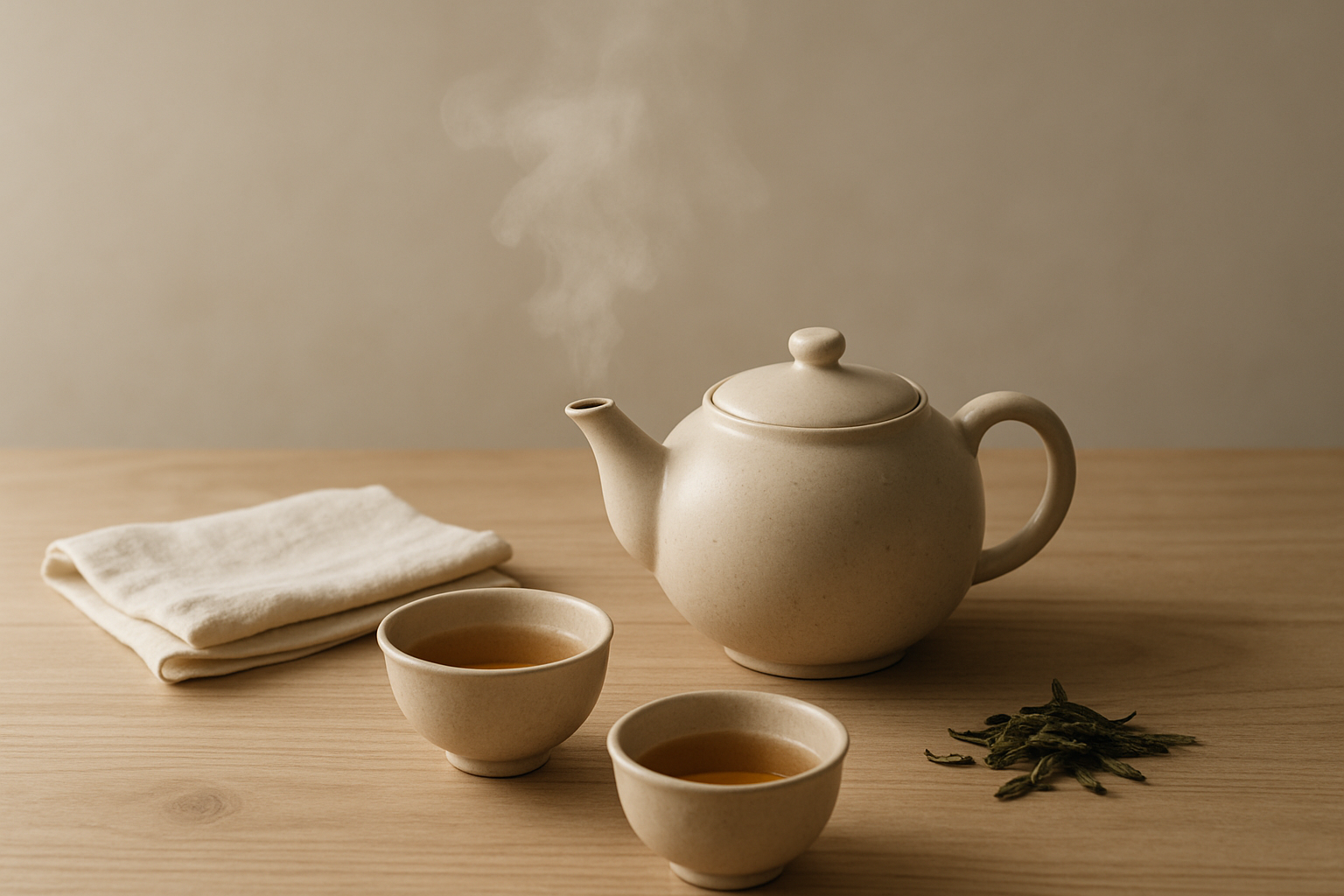
Dial In Your Brew
Make a small experiment with water temperature and timing. Greens often shine around 80°C (176°F), while blacks prefer 90–95°C (194–203°F). Adjust by thirty seconds or a few degrees and taste the difference — it’s the most practical way to improve a daily cup.
Essential tea facts
The Enduring Numbers Behind the World's Favourite Brew
A grounded set of figures and benchmarks that anchor the story in measurable detail.
5,000+ years
Origins
Recorded tea culture traces back to China around 2700 BCE. From early medicinal use to everyday beverage, its continuity is unusual in the history of food and drink.
2nd most consumed
Global Reach
Only water is consumed more widely. Estimates place daily tea servings at roughly 3.7 billion cups across households, cafés, and workplaces worldwide.
60+ nations
Tea Landscapes
Commercial cultivation spans more than 60 countries. Climate, altitude, and soil composition create distinct leaf profiles from region to region.
3–5 minutes
Steeping
Most black and green teas are calibrated for short infusions. Time beyond the window alters balance, shifting sweetness toward astringency.
Less than coffee
Caffeine
A standard cup averages 40–50mg of caffeine, roughly half of a typical coffee. The presence of L-theanine changes the perceived intensity.
Antioxidant-rich
Wellness
Tea leaves are dense with polyphenols and catechins — compounds studied for their role in cellular protection and long-term dietary balance.
Trusted references
Curated Sources for Tea Culture
A focused selection of authoritative institutions and archives, gathered to support clear, reliable understanding of tea's global story.
Each entry is chosen for its credibility and practical value, offering direct paths to official history, heritage, and sustainability guidance.
Focused on responsible sourcing and improving conditions across the international tea industry
Frequently Asked Questions
Everything You Wanted to Know About International Tea Day
International Tea Day is observed on May 21, a UN-recognized date focused on tea’s role in agriculture, trade, and daily life. This section answers the essentials in plain language.
New to tea? Choose one variety and note its aroma, color, and finish. A few attentive sips can teach you more than a list of rules.
Who recognized it?+
The United Nations General Assembly proclaimed May 21 as International Tea Day in 2019, with the FAO coordinating global observance efforts.
When is it celebrated?+
It takes place every year on May 21, across time zones and tea traditions.
How do people celebrate?+
Activities range from public tastings and talks to small home gatherings. Many people use the day to try a new origin, learn a brewing method, or support ethical sourcing.
Why does it matter economically?+
Tea supports an estimated 13 million livelihoods worldwide and plays a major role in rural economies, smallholder farming, and global trade.
What types of tea are there?+
Green, Black, White, Oolong, and Pu-erh all come from Camellia sinensis. The differences come from processing methods like oxidation, rolling, and aging.
Where do I begin exploring tea culture?+
Start with a trusted guide, a local tea shop, or a reputable online seller. Pick one region or style and keep notes as you taste.